


Struggles and Triumphs: Alabama’s Role in the Civil Rights Movement
Alabama has a rich and complex history within the Civil Rights Movement and has served as the focal point for pivotal events that shaped the fight for equal rights that shaped our nation.
To understand this point and time in history, which encapsulates the struggles and triumphs, visitors must explore some of Alabama's most important destinations that defined a movement and forever changed the South.
The first stop is The Scottsboro Boys Museum - Scottsboro:
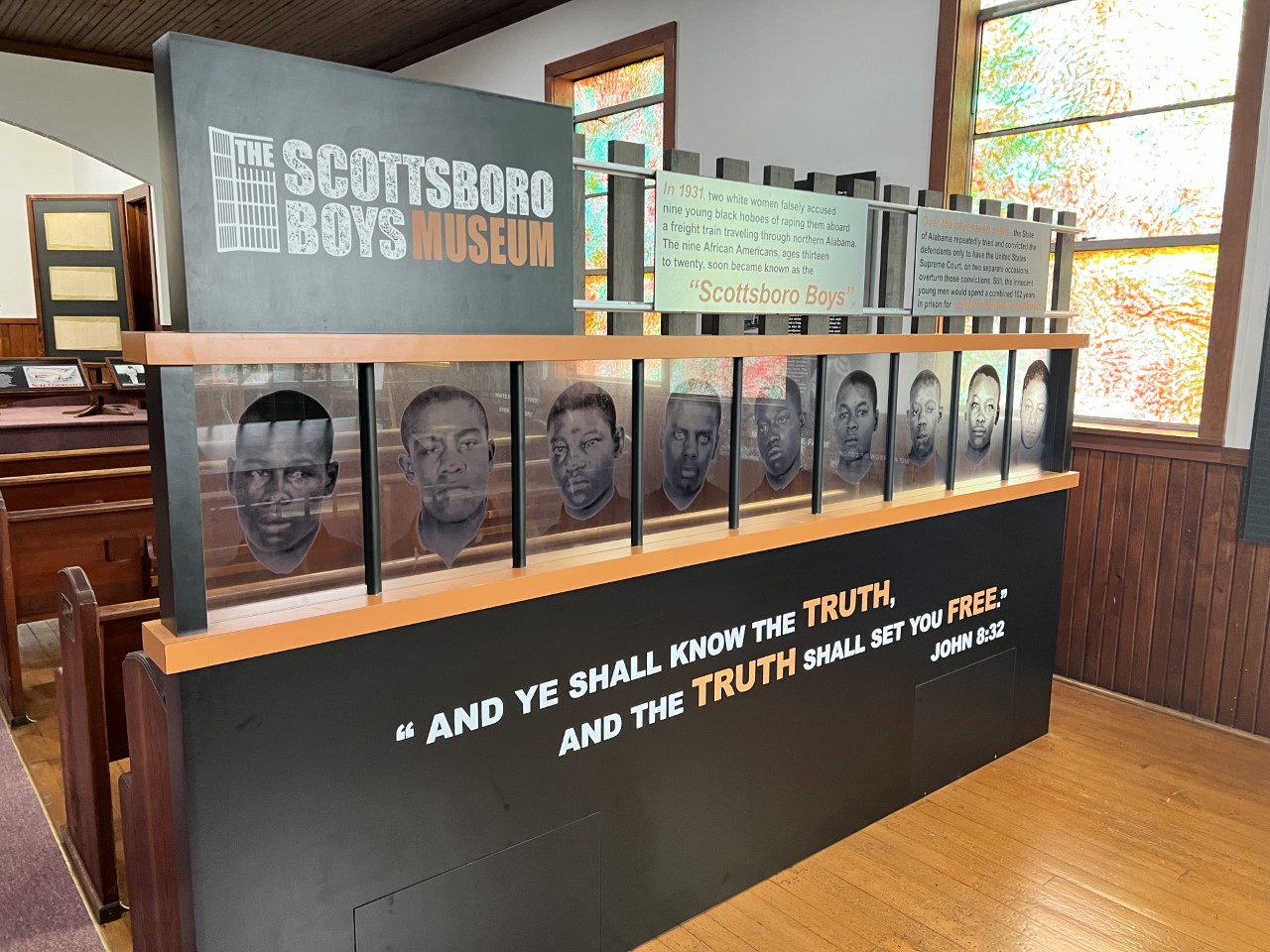
Nestled in the Northeastern part of Alabama in Scottsboro, The Scottsboro Boys Museum commemorates the lives and legacy of nine young African-American teenagers who were falsely accused of raping two white women in 1931. Despite the lack of evidence, they faced daunting trials in their fight for justice and became the international symbol of the fight against racial injustice in the South. The museum is located inside the historic Joyce Chapel.
Traveling to East Alabama to the Anniston Freedom Riders Monument - Anniston:
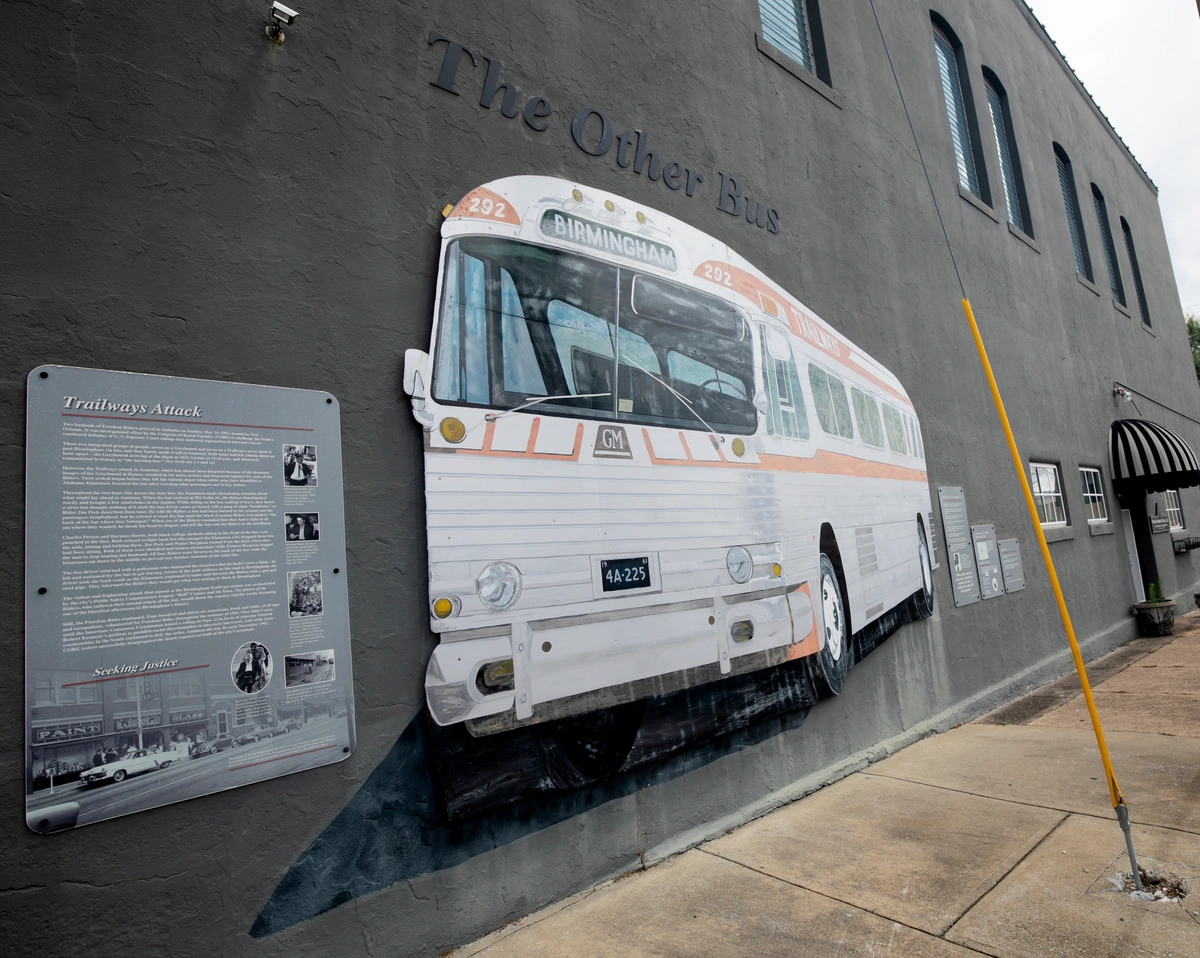
Anniston played another significant role in the Civil Rights Movement and the Freedom Rides of 1961. Here, visitors will step back in time to witness a dark episode in May of that year. The Freedom Riders’ mission was to seek and challenge segregation on interstate buses. Their Greyhound and Trailways buses were attacked with violence by those who opposed them while they made their way to the bus station in Anniston. The murals and monument depict the events of that day and serve as a reminder of the Freedom Riders' courage as they pursued desegregation.
Central Alabama is the home to the Birmingham Civil Rights District and Birmingham Civil Rights Institute - Birmingham:
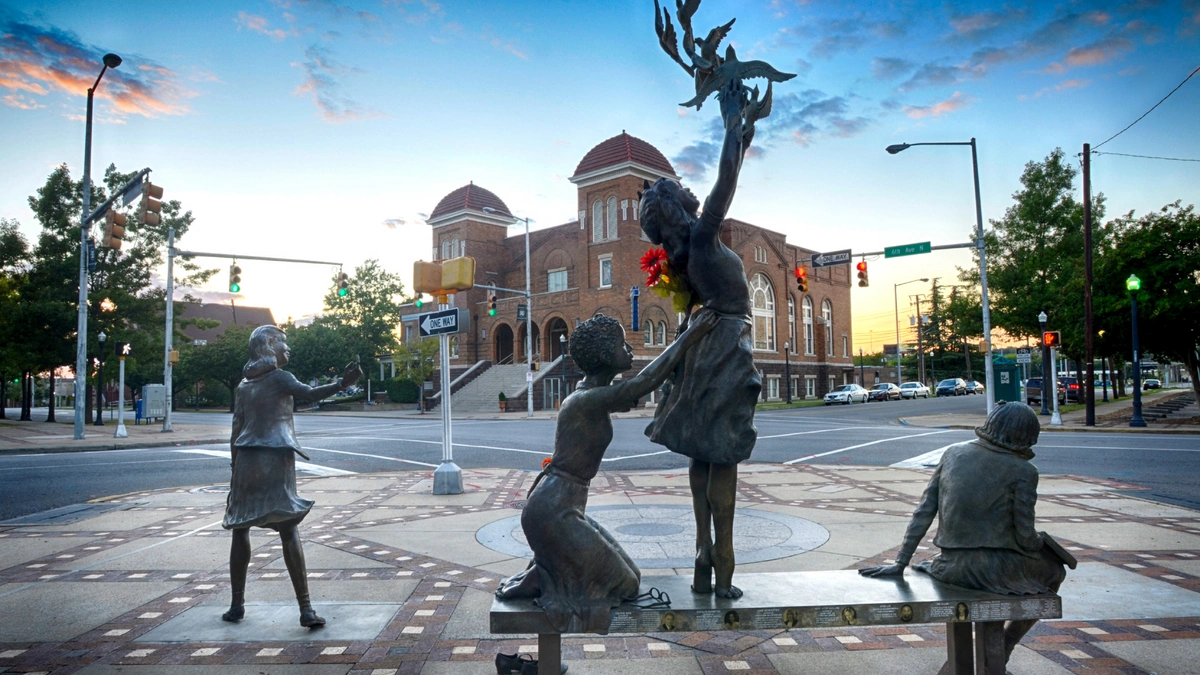
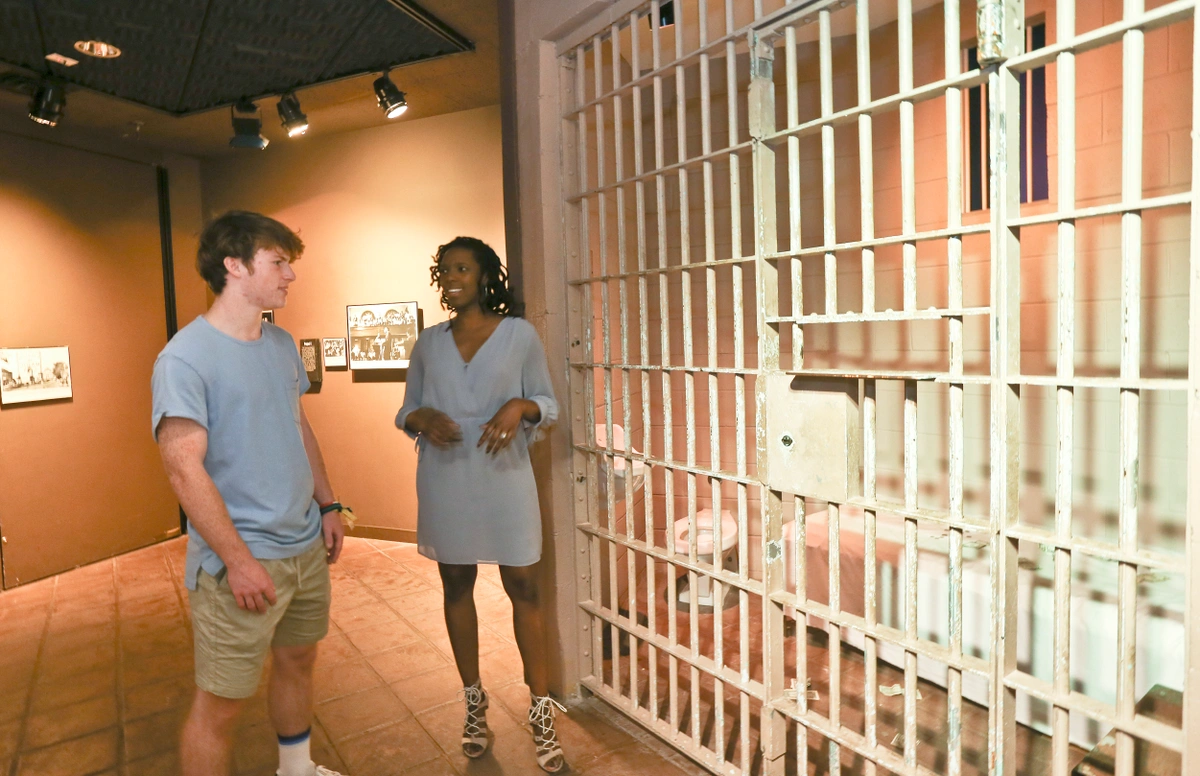
The Birmingham Civil Rights District and the Birmingham Civil Rights Institute in Birmingham chronicle the historic events of the era. It is an educational beacon that offers a comprehensive exploration of the Civil Rights Movement. Exhibits span the history of segregation in the South, the historic events of the 1960s, and the efforts of activists. Located in the area around the Institute are the Sixteenth Street Baptist Church, Kelly Ingram Park and the A.G. Gaston Hotel. Visitors will be able to see the door to the cell that Martin Luther King, Jr. was held in at the Birmingham Jail as well as the letter that he wrote from that cell. Kelly Ingram Park also is the site of a monument to the four little girls who lost their lives in the Sixteenth Street Baptist Church bombing in September 1963.
Traveling Southwest to The Edmund Pettus Bridge - Selma:
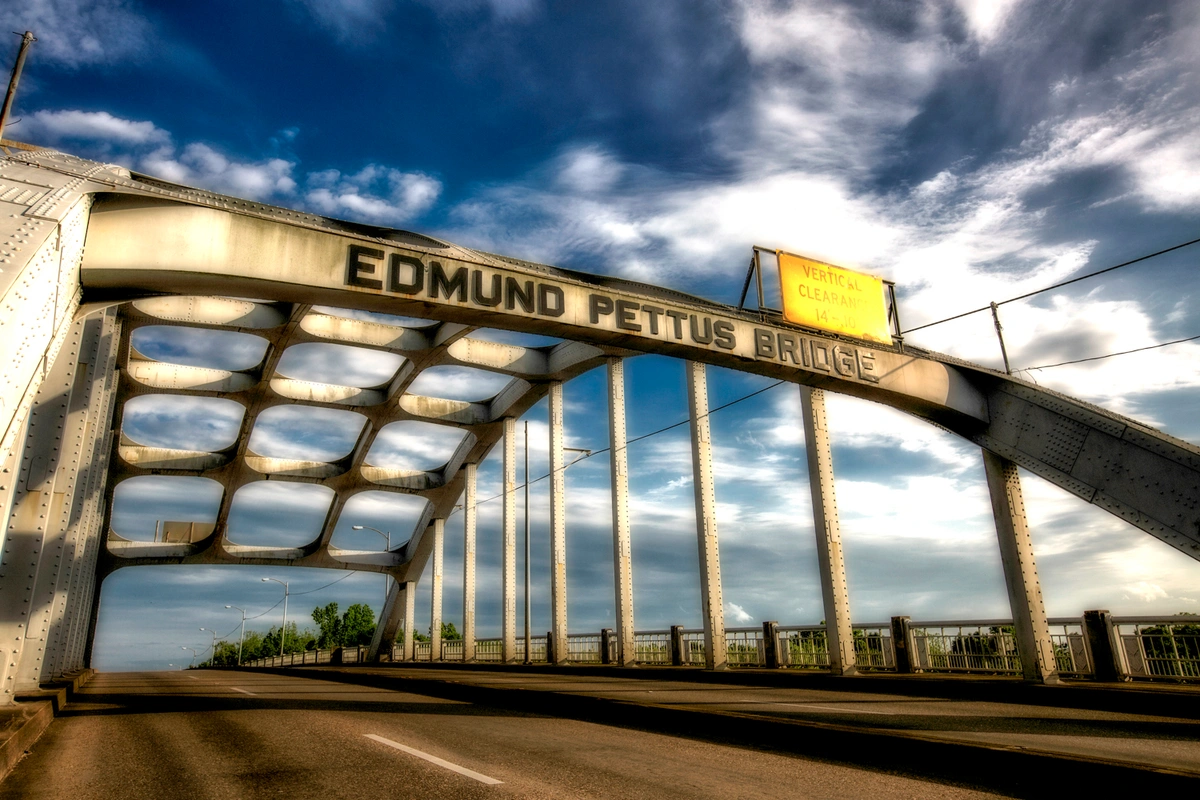
The small town of Selma, located on the banks of the Alabama River, played one of the most significant roles in the fight for voting rights in America. The Selma to Montgomery marches were planned and organized by peaceful protestors who worked alongside Dr. Martin Luther King, Jr. The turning point in the movement was “Bloody Sunday” in 1965. Peaceful protestors were crossing The Edmund Pettus Bridge on their way to Montgomery when law enforcement brutally attacked the protestors. The bridge stands as a symbol of resilience and it, along with the town of Selma, offers a powerful connection to the sacrifices made for the Voting Rights Act.
A visit to these landmarks will allow visitors to gain a profound understanding of Alabama’s role in the Civil Rights Movement. The landmarks signify the struggles and resilience of those fighting injustices and of those who paved the way for America’s future.